AGICO supplies commercial mango drying equipment for processing fresh mango slices and strips into dried fruit. Our mango drying solutions include hot-air tray dryers, drying rooms and continuous belt systems, with equipment selection based on your production volume, available heat source and finished product requirements.
Whether you are starting a dried mango business or adding drying capacity to an existing fruit processing plant, we can help you compare suitable equipment before deciding on a model.
Tell us how much mango you plan to process and the type of dried mango you want to sell. We will help you identify a suitable starting point.
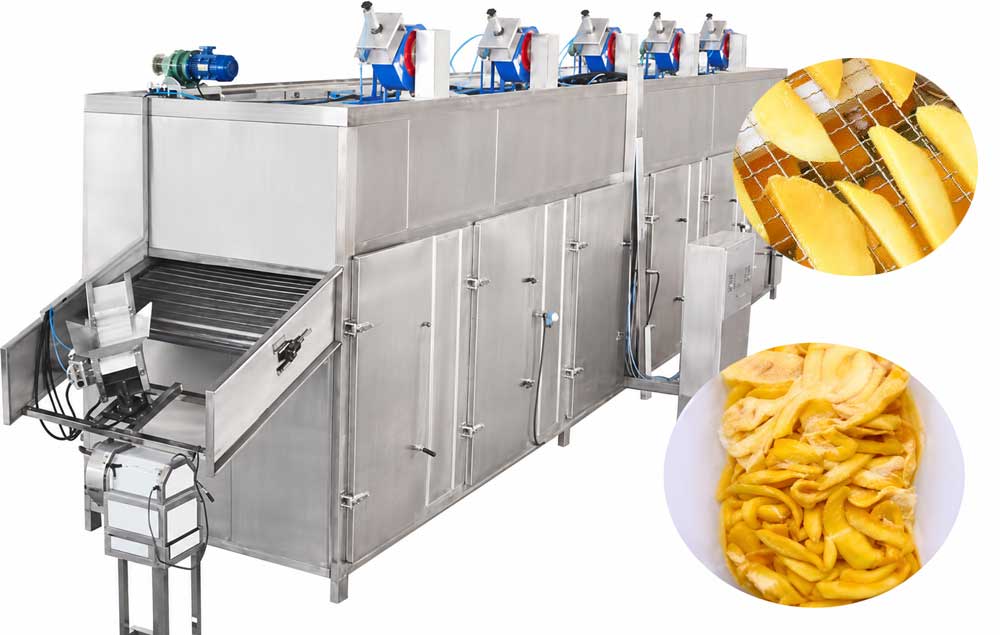
Commercial Drying Equipment for Dried Mango Production
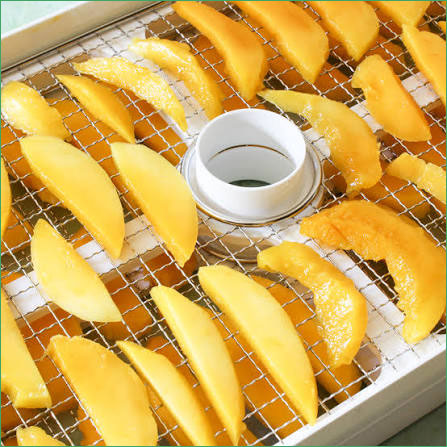
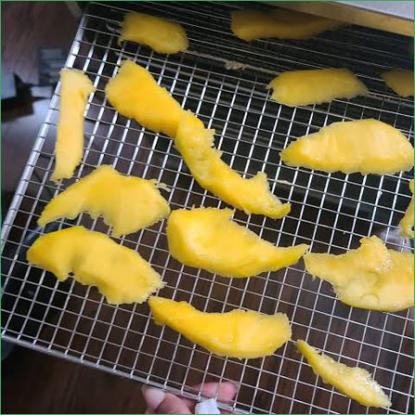
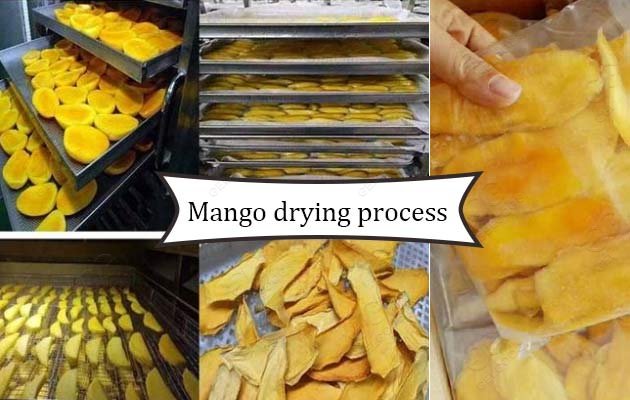
A mango dehydrator removes moisture from prepared mango using controlled heat and airflow. Slices are arranged on trays or a conveyor belt, where circulating air carries away moisture during drying.
For commercial production, the equipment needs to do more than heat the fruit. Air must reach the loaded product, moisture must leave the drying chamber, and operators need a practical way to load, inspect and unload each batch.
AGICO offers fruit processing and drying equipment, allowing you to discuss the dryer together with the preparation steps around it. You can enquire about a standalone mango drying machine or discuss how drying will fit into your existing washing, cutting and packing workflow.
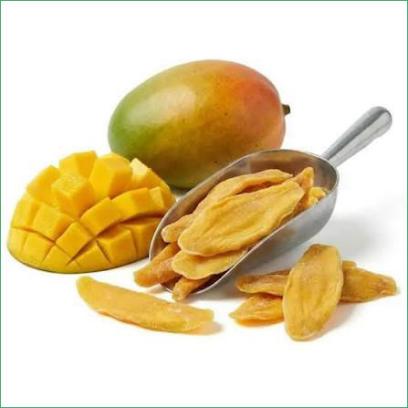
Dried Mango Slices and Strips
For retail snack products, slice appearance and texture matter alongside output. Tray drying allows prepared pieces to be laid out individually, with loading density and drying conditions selected around the product you intend to make.
Mango Pieces for Food Ingredients
Mango pieces intended for bakery products, cereals or fruit blends may have different size and moisture requirements from ready-to-eat snack slices. Share your buyer’s product specification, if available, so equipment discussions begin with the intended use.
Seasonal Fruit Processing
If you plan to process other fruits outside the mango season, include them in your enquiry. A shared dryer may be suitable for several products, although tray selection, loading and operating conditions need to be reviewed for each fruit.
What Matters in a Mango Dryer
01
Controlled Heat for the Required Texture
A thin mango strip and a thick slice will not dry in the same way. Temperature control gives operators a way to manage the process around slice thickness and the desired finish. The operating schedule should be established for the actual mango product rather than copied from another fruit.
02
Air Circulation Across the Product
The fan, air passages and tray arrangement work together to move heated air through the load. Adequate spacing between slices is equally important. We consider how the mango will be spread and handled when discussing the drying area and equipment size.
03
Moisture Removal During Drying
As water leaves the mango, it must also be removed from the circulating air. Depending on the selected equipment, this is managed through moisture exhaust or a dehumidification system. Heating and moisture removal need to be considered together when comparing drying options.
04
Practical Tray and Trolley Handling
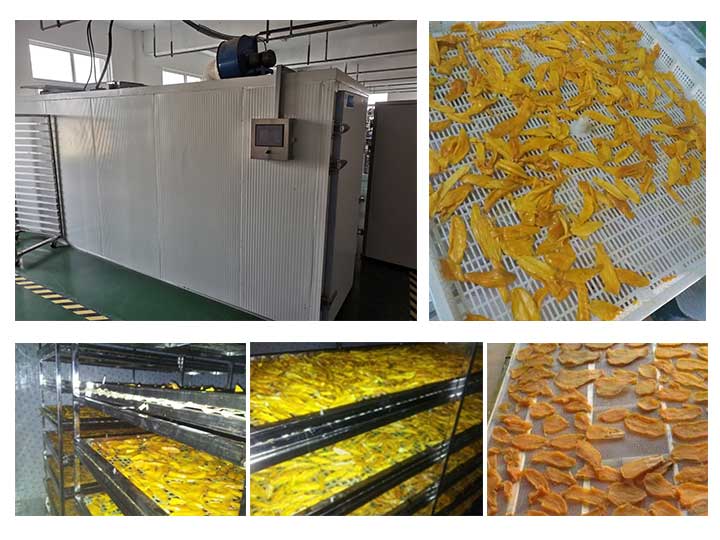
Batch dryers use trays, with trolleys available in suitable configurations. This arrangement allows staff to prepare a load outside the chamber and move it into the dryer. Tray dimensions, loaded weight and access for cleaning are useful details to settle before ordering.
05
Heating Options to Match Your Factory
Electric heating, steam-heated equipment and heat pump drying are options to discuss within AGICO’s drying range. The appropriate choice depends on the equipment type, local energy supply and production schedule. If your factory already has a steam supply, include its details in your enquiry.
Mango Drying Equipment Options
|
Equipment type |
Production situation to discuss |
Main selection considerations |
|
Hot-air tray dryer |
Batch production with prepared mango loaded onto trays |
Drying area, tray arrangement, heating source and loading routine |
|
Heat pump drying room |
Trolley-based batch production with temperature and humidity management |
Room size, moisture removal, ambient conditions and available electricity |
|
Continuous mesh belt dryer |
Sustained production with regular feeding from upstream preparation |
Feed consistency, residence time, product handling and factory layout |
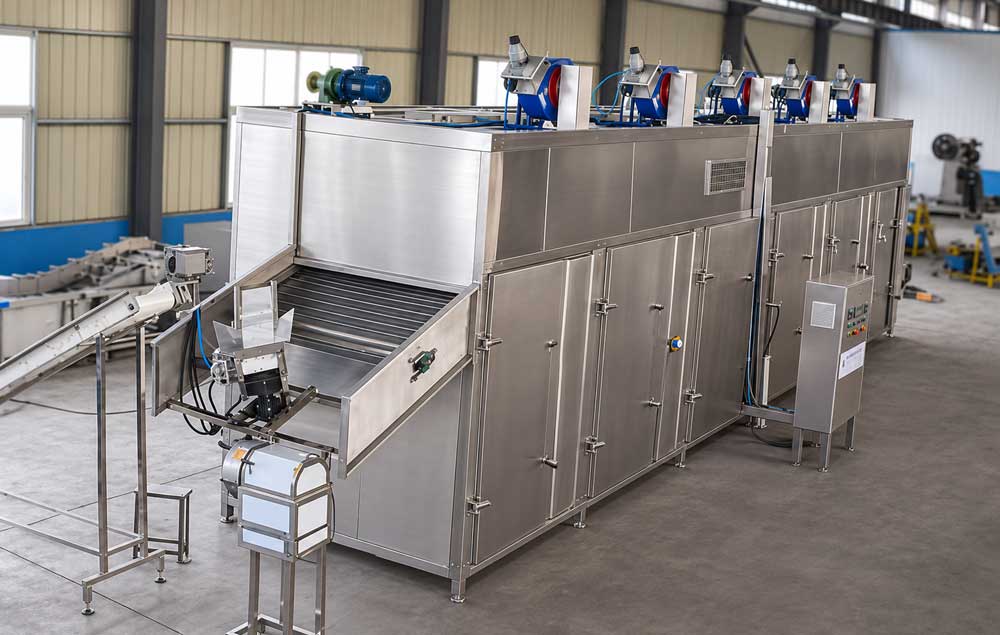
A fruit drying oven is worth discussing when you want to process separate batches or change between products. A drying room offers another approach to trolley-based loading.
For a larger operation with a steady supply of prepared mango, a continuous mesh belt dryer may be considered. Sticky slices, transfer points and the required product appearance should be reviewed before selecting a belt system.
You do not need to choose the equipment type before contacting us. Your planned daily output and working hours are enough to begin the discussion.
Tray Dryer Models for Mango Drying
For batch production, the HX series provides several tray and trolley arrangements to compare. A smaller unit may suit initial production or separate product batches, while larger models provide more tray space when your prepared mango supply increases.
|
Reference model |
Drying trolleys |
Drying trays |
Overall dimensions (L × W × H) |
|
HX1-1 |
1 |
24 |
1.6 × 1.2 × 2.35 m |
|
HX2-2 |
2 |
48 |
2.5 × 1.2 × 2.35 m |
|
HX2-4 |
4 |
96 |
2.5 × 2.2 × 2.35 m |
|
HX3-6 |
6 |
144 |
3.5 × 2.2 × 2.35 m |
|
HX4-8 |
8 |
192 |
4.8 × 2.2 × 2.35 m |
These catalogue models are references for equipment selection. The supplied configuration and dimensions will be confirmed in your quotation. Mango loading per batch depends on slice size, thickness, tray arrangement and spacing; tray count alone does not establish daily output.
When comparing models, allow space around the dryer for trolley movement, loading and cleaning. If you already have a preparation area, send its dimensions or a simple layout so we can discuss how the dryer will fit into your workflow.
Not sure which model to choose? Send your daily quantity of prepared mango and available working hours. We can help you compare a suitable tray arrangement and heating option.
Request a Mango Dehydrator Quote
Planning a new dried mango operation or expanding an existing one? Send AGICO a few details:
-
How much fresh or sliced mango you expect to process?
-
The size and texture of the dried mango you want to produce.
-
Your available electricity supply or other heat source.
-
Your installation country and approximate working space.
If you do not have a complete specification, start with your daily processing target and a photo of the product you want to make. We can discuss a suitable dryer, the information still needed and the scope of your quotation.
From Fresh Mango to Packed Dried Fruit
A typical production sequence is:
Sorting → Washing → Peeling and Destoning → Slicing → Optional Pretreatment → Drying → Cooling → Inspection and Packing
Consistent preparation makes drying easier to manage. Variations in ripeness and slice thickness can lead to different results within the same load. Preparing reasonably uniform slices and spreading them without excessive overlap helps establish a repeatable process.
Pretreatment depends on the recipe and finished product requirements. Unsweetened mango and sugar-infused mango should be discussed separately; a treatment used for one product should not automatically be included in another process.
After drying, the mango needs appropriate cooling, inspection and moisture-protective packaging. Final moisture and water activity requirements should be established for the product and its intended storage conditions.
Choosing the Right Drying Capacity
The amount of whole mango arriving at the factory is different from the amount loaded into the dryer. Peels and stones are removed before drying, and further weight is lost as water evaporates.
For a useful equipment recommendation, tell us which quantity your production target refers to:
-
Whole fresh mango received per day.
-
Peeled and sliced mango available for drying.
-
Finished dried mango required per day.
Dryer sizing also depends on slice thickness, tray loading, the required finish and the time available for each batch. A general catalogue loading figure should not be treated as a guaranteed mango production rate.
If you are still planning the business, send your expected daily raw material supply and working hours. We can use those details to discuss equipment size and the next information needed.
Discuss Your Project with AGICO
Choosing a dryer is easier when the quotation reflects how your factory will actually operate. Along with the equipment itself, discuss the space needed for loading, access for cleaning, the location of utilities and how dried mango will move to packing.
Before ordering, the proposed equipment should identify the heating method, tray or belt arrangement, power requirements, controls and supply scope. Food-contact materials and any documentation required for your destination market should also be agreed.
Installation arrangements, operator guidance, maintenance access and spare parts can be discussed with the quotation. This gives your team a clearer basis for comparing offers and preparing the site.
Frequently Asked Questions
Q: Can I use a mango dehydrator to make soft dried mango?
A: Hot-air drying can be used for chewy dried mango products. The finished texture depends on the fruit, slice thickness, pretreatment and drying endpoint. Send a description or photo of your target product so we can discuss the appropriate drying approach.
Q: How long does mango drying take?
A: There is no single drying time for every mango product. Thickness, ripeness, loading density, airflow and the required final condition all affect the cycle. A representative product trial is the most useful basis for confirming a production schedule.
Q: Is a dried mango dehydrator different from a fruit dryer?
A: A dried mango dehydrator is generally a fruit drying system selected for mango processing. The important differences are its loading arrangement, heat source, moisture removal method and suitability for your production volume.
Q: Can the same machine dry pineapple, banana or other fruits?
A: Many fruit dryers can process more than one fruit. Each product needs its own operating conditions, and tray suitability and cleaning requirements should be checked. Tell us which fruits you plan to process throughout the year.
Q: Will this equipment make freeze-dried mango?
A: Freeze-dried mango requires a vacuum freeze dryer. It is a different process from hot-air dehydration and produces a different texture. If your target is a light, porous mango snack, mention this when enquiring so we can discuss the correct equipment category.
Q: What affects the mango drying machine price?
A: Price depends on the dryer type, drying area, heating system, controls, material requirements and equipment included in the supply. Destination and shipping requirements also affect the total quotation. Sharing your production plan helps us prepare a more relevant offer.